
Python Gym (🔗)
Regular practice hones our ability to interpret, problem-solve, and write successful code. This is a collection of intro-level programming exercises.

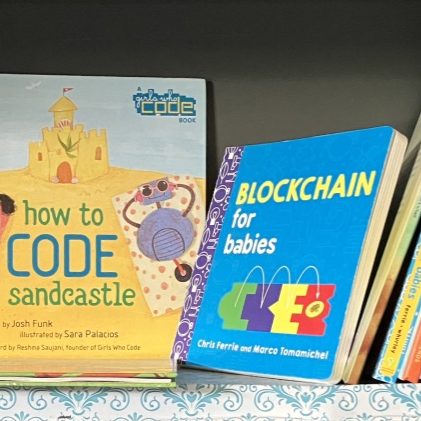
Children’s Books & Computer Science (🔗)
This is my collection of picture books that I recommend for introducing Computer Science concepts to children (young and old). Specifically, these are organized by the New York State CS & DF Learning Standards they are most relevant to.
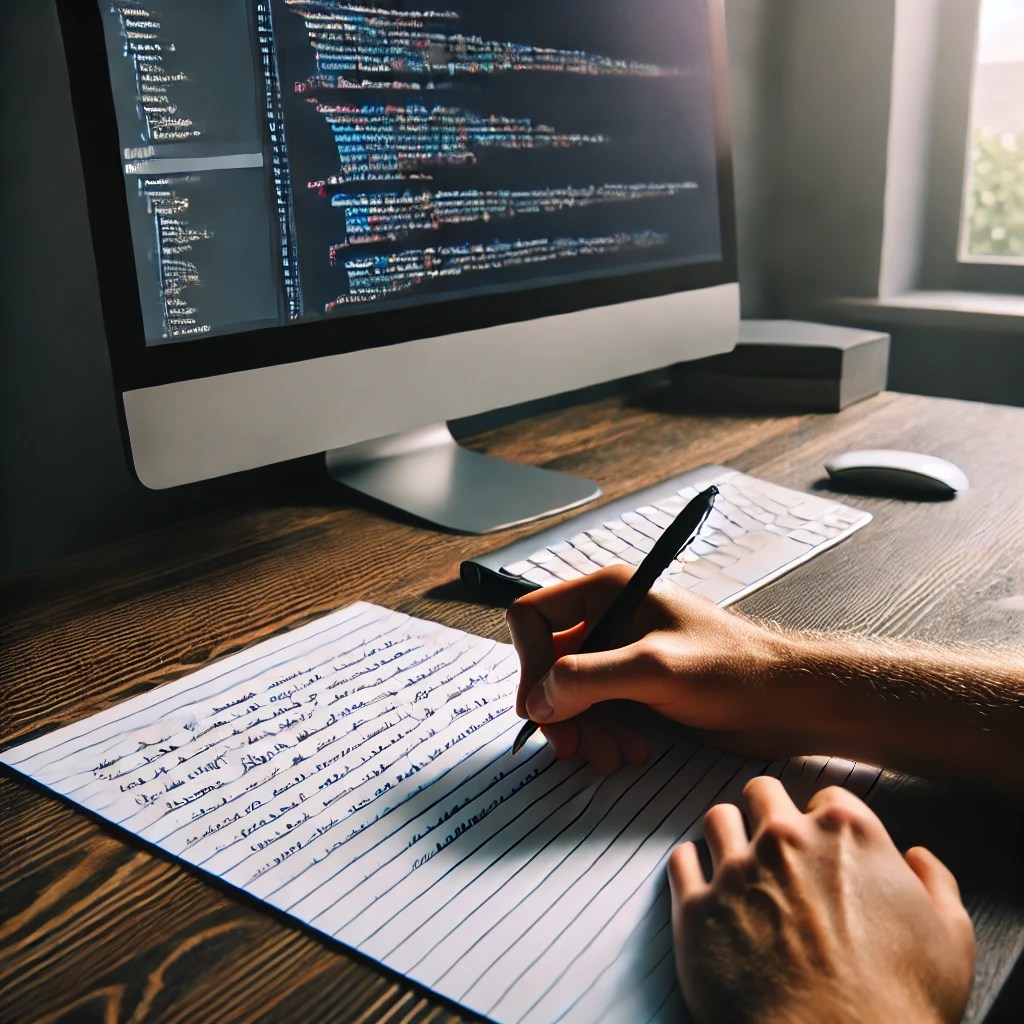
Prompts for Writing About Code (🔗)
The College Board’s AP Computer Science Principles (CSP) course requires students to independently develop a computer program throughout the school year, and then during the exam, respond to conceptual writing prompts to assess their knowledge within this authentic context.
Impacts of Computing (🔗)
Computing Innovations are meant to have an impact, but they often times also have unintended consequences. A simpler and more equitable way to practice evaluating the impacts of computing is to use fictitious innovations. This is a collection of made-up scenarios and questions to practice with.
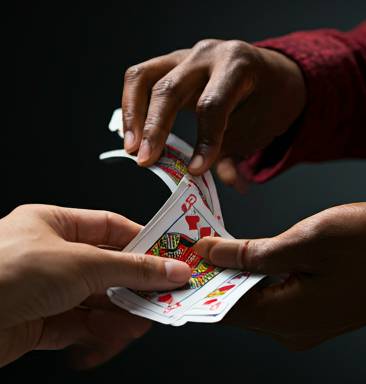
Magical Algorithms (🔗)
A magical illusion inspires people to wonder how something fantastical could happen. A computer scientist, like a magician, brings the fantastical to life, not through supernatural incantations but through precisely described instructions. “The programmers of tomorrow are the wizards of the future.” -Gabe Newell
Robot Parts (🔗)
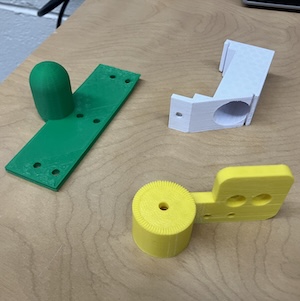
Robots can be a fun and tangible tool for exploring the world of computer science. The classroom equipment can often be a significant expense, so repairing and upgrading them often needs to be done in-house. Here are some components that can be used for VEX’s “PLTW Self Driving Vehicles” (270-5943).
 Teaching is STEM